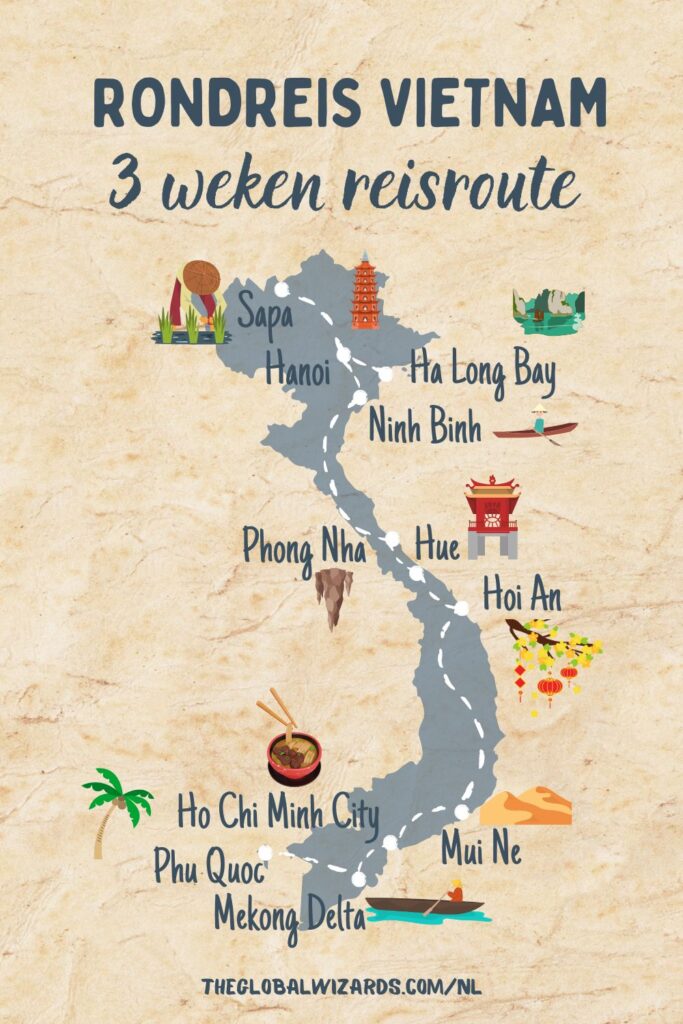
Discover the most beautiful sights in Vietnam with this ultimate 3-week or 4-week Vietnam itinerary
Vietnam is a beautiful and diverse country, but also quite large. Putting together an ideal itinerary for your Vietnam tour is not always easy. We stayed in Vietnam for more than two months, visiting the most beautiful sights from the south to the far north.
Based on our experiences, we have created the ultimate 3-week tour through Vietnam for everyone (whether you are traveling to Vietnam with children like us or without children). During our itinerary through Vietnam, you will be introduced to the rich history, vibrant cities, breathtaking landscapes, and delicious Vietnamese food.
From authentic Hoi An and the breathtaking Ha Long Bay, to chaotic Hanoi, the colorful Mekong Delta and the rice fields and hill tribes in the north, with this route you will discover the best of Vietnam. And our extra tips based on our experiences will ensure that your Vietnam trip is unforgettable!
Do you have some more time? Below you will find some additional destinations in Vietnam that you can add for a 4-week or 1-month holiday in Vietnam.
How to TRAVEL AROUND: Transport in Vietnam
We have never seen so much traffic as in Vietnam. There seem to be hardly any traffic rules and sometimes there seems to be no end to the endless flow of scooters, buses, and cars.
Especially in the big cities such as Hanoi and Ho Chi Minh City (formerly Saigon), you have to be really careful when you want to cross the street, for example. We do not recommend renting a car in Vietnam and doing a road trip yourself.
But fortunately, there are many options to get to your next destination in Vietnam by public transport or private transport.
By plane through Vietnam
Vietnam is a very vast country (more than 2000 kilometers from north to south). If you have little time, are traveling with small children, or just want to get from one destination to another comfortably and quickly, you can easily and fairly cheaply find airline tickets between the larger cities, flying with Vietjet, among others.
But you do have to take the other side of the low-cost airlines into account. They sometimes dare to move a flight or become annoyed about your luggage.
By train through Vietnam
Fortunately, the train is also an easy and reliable means of transport in Vietnam and is also more environmentally friendly and cheaper than the plane.
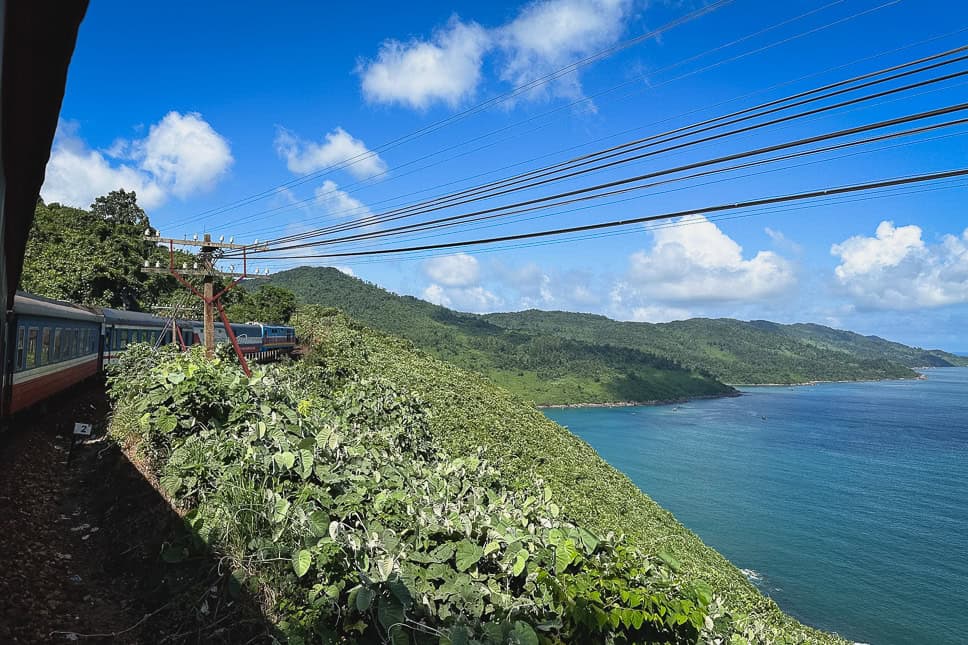
There is a train (The Reunification Express) from Ho Chi Minh City, all the way in the south of Vietnam, to Hanoi, all the way in the north. This train journey has been chosen by Lonely Planet as one of the most beautiful train routes in the world. The stretch between Nha Trang and Hué is especially beautiful. The train follows the coast, and you have beautiful views of the bay and the beaches.
But there are also other rides available, such as the train from Hanoi to Sapa.
TIP: Take the night train on this route for the longer stretches, a fun experience and it will save you a lot of time and an extra overnight stay! Make sure you bring your earplugs. There can be quite a lot of noise.
By bus through Vietnam
An alternative to the train is to take the bus in Vietnam. Almost all sights in Vietnam can be reached by bus. Sometimes you can’t even do anything else (unless you take private transport), because the train does not pass by.
You will find all kinds of buses in Vietnam, from small to large, very simple to luxurious sleeping buses. Buses are a lot cheaper than the train and often get you from one destination to another faster. The price often represents luxury and reliability, so don’t save too much on your tickets.
That being said, we still recommend taking the train for the long stretches. They are a lot more reliable (we have had some buses that were canceled last minute) and above all safer (remember the traffic in Vietnam).
Private transport in Vietnam
During our tour in Vietnam we had to rely on private transport a few times, due to buses that were full or canceled. Because there were four of us, this was not always much more expensive than the bus or train. The advantage is that it is faster, you can stop whenever you want, and you will be picked up and delivered to your hotel so you no longer have to take extra taxis.
TIP: We booked all our tickets online in advance (for train, bus and private transport). The advantage of this is that you can compare the different options in terms of price and reviews and you can start your trip without any worries. But of course you can also book your tickets yourself at the local agencies or stations. Please take into account large crowds during holidays, such as the Chinese New Year (Tet festival) in February. Then all Vietnamese and Asian tourists travel through the country with you.
Direction of your Vietnam tour: From north to south or vice versa
When you start planning a 3-week, 4 -week, or 1-month tour of Vietnam, the first and most important question will be whether to start in the north or the south. Vietnam is an elongated country, so if you want to cross the entire country, you have no choice but to do a single route instead of a loop.
We start our Vietnam itinerary here in the south and slowly travel to Northern Vietnam. Of course, you can easily turn this tour around. What do you let that depend on?
- Or from where you want to arrive in Vietnam: unless you come overland from Thailand or Laos, for example, you will most likely find the cheapest flights to the capital Hanoi in the north or Ho Chi Minh City in the south.
- Or the best travel time in terms of weather, as it can differ greatly between the north and the south.
Best time to travel to Vietnam
There is a large climate difference between Northern, Central and Southern Vietnam. Plan your route based on the weather and whether or not you start your tour in the south or north. Much of Vietnam has a subtropical climate with a dry and wet season.
Best time to travel to North Vietnam
The north of Vietnam follows the summer and winter in Belgium. In summer it reaches 27°C (80,6°F) , but in winter the temperature can drop to 10°C (50°F) or even lower. In July and August, the most precipitation falls in the north (the rainy season runs from June to October).
During our time in Sa Pa (mid-March), we had 25°C (77°F) but it could just as easily have been 10°C (50°F). So make sure you have a warm coat with you. The same goes for Ha Long Bay.
Beste reistijd Centraal-Vietnam
Central Vietnam has pleasant summer temperatures of up to 30°C (86°F), but in winter the temperature drops to 19°C (68°F) (. The monsoon in Central Vietnam runs from September to November and flooding occurs regularly in October. The best time to travel for this stretch is from December to December. September.
Best time to travel to Vietnam
In South Vietnam the rainy season runs from May to November, but fortunately with fewer floods. The most rain falls in September and October. From April onwards it can become very hot in South Vietnam.
In the south, you also have some beautiful islands such as Phu Quoc. The best period to go here is from November to May when it is dry with pleasant temperatures. The disadvantage, of course, is that it is a lot busier there.
How many weeks do you need to discover Vietnam?
As we mentioned earlier, Vietnam is a very big country. So you have to take into account that journeys can be long. To save time, you can fly between certain destinations or take night trains (this way you also save on an extra overnight stay).
In 3 weeks you can visit all the most important sights of Vietnam. If you have less time, we think it is best to limit yourself to North and Central Vietnam. This way you still have enough time to discover each destination in a fun way.
Do you still have time left? In 4 weeks or one month in Vietnam, you can visit the entire country, including the tropical island of Phu Quoc, the less touristy but beautiful Phong Nha or the adventurous Ha Giang Loop in the north.
In this article, we first go over our favorite 3-week itinerary for Vietnam, and then we give some nice destinations that you can add for 1 month in Vietnam.
3 week itinerary Vietnam
Day 1: Ho Chi Minh City
What to do in Ho Chi Minh City
Ho Chi Minh City, better known by its old name Saigon, is a real-world city. Although opinions are divided about this metropolis, you will probably arrive or leave here. And we believe that a short visit to the city should not be missed on your 3-week tour through Vietnam.
After all, Ho Chi Minh City has a lot of history (with French colonization and the Vietnam War), a real street food culture, and beautiful architecture.
It can feel like a bit of a culture shock when you arrive here. The crowds and traffic, the heat, … Crossing the street is a challenge… But don’t let all this demotivate you. Look a little deeper and you will see beautiful scenes and delicious food everywhere.
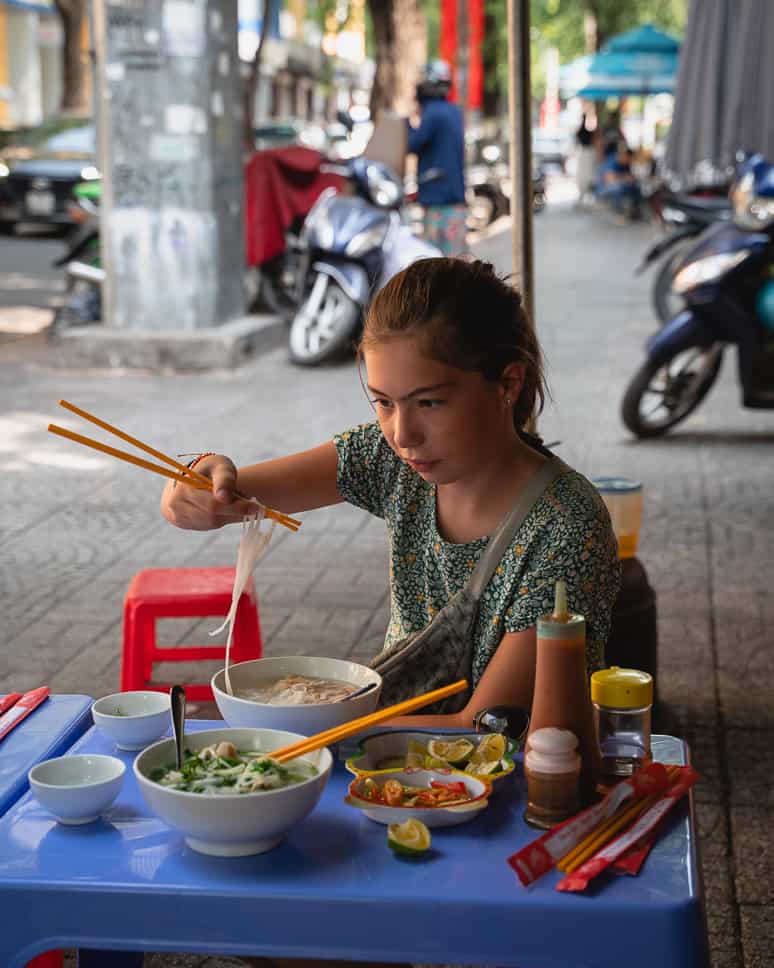

Be sure to visit some of Saigon’s architectural gems, such as Notre Dame Cathedral, the Saigon Central Post Office building or the beautiful colonial City Hall. Discover the street food (for example in the covered Ben Thanh market) and drink a typical Vietnamese coffee in one of the trendy coffee bars. And be sure to visit the impressive War Museum (not suitable for children) to learn more about the Vietnam War.
Tip: Do you have more time? Then take a day trip to the famous underground Cu Chi tunnels, the miles of tunnels where the Viet Cong hid.
Our favorite hotels to stay in Ho Chi Minh



Day 2-3: Mekong Delta
From Ho Chi Minh to the Mekong Delta
From Ho Chi Minh City you can visit various highlights of Vietnam. Since you have to make choices in this 3-week tour, we suggest going to the Mekong Delta (4 hours by bus or 2 hours by taxi). If you have more time, or would rather visit a tropical island, you can also fly to Phu Quoc from Ho Chi Minh City (more about that at the end of this article).
What to do in the Mekong Delta
The Mekong Delta is all about water, and the region is best known for life on and around the river and its floating markets. Locals come here to do their shopping but also have breakfast with a Vietnamese Pho (soup).
If you really want to get an idea of what local life is like here, take a bike ride through the beautiful countryside with countless bridges and beautiful rice fields.
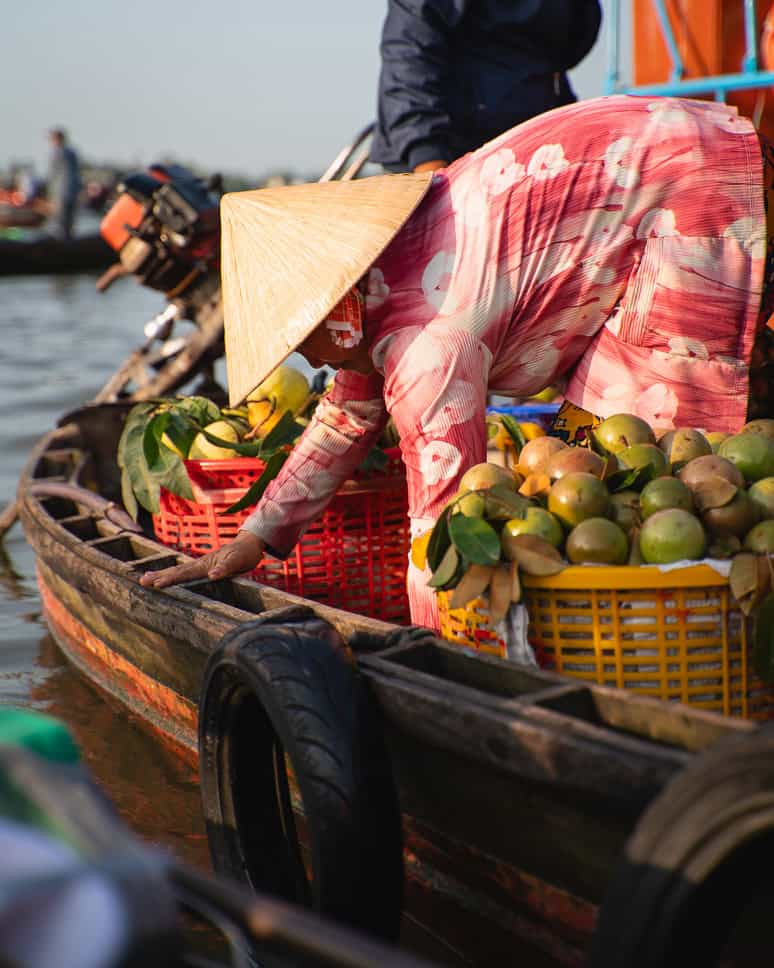

Our favorite hotels to stay in the Mekong Delta (Can Tho)
You can do the Mekong Delta as a day trip during your tour in Vietnam (very tiring), so we really recommend that you stay a few days in Can Tho.
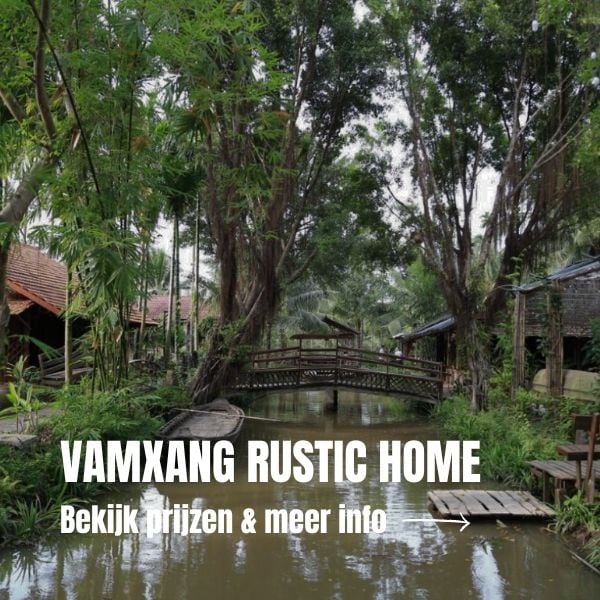
The most beautiful hotels are located a few kilometers outside Can Tho, in the middle of the countryside and beautiful nature. We stayed at Vamxang Rustic Hotel Hotel, a real pearl surrounded by nature, where they also have free bicycles and a swimming pool.


Day 4-7: Hoi An
From the Mekong Delta to Hoi An
From the Mekong Delta, you first have to return to Ho Chi Minh City. Then we recommend taking the night train to Da Nang (30 minutes from Hoi An), a fairly comfortable and safe way to travel. Moreover, you save yourself a night. If you are really short on time, you can also fly between the two cities.
If you have more days, you can also visit Mui Ne, a nice coastal town between Ho Chi Minh City and Hoi An. More about that at the end of this article.
What to do in Hoi An
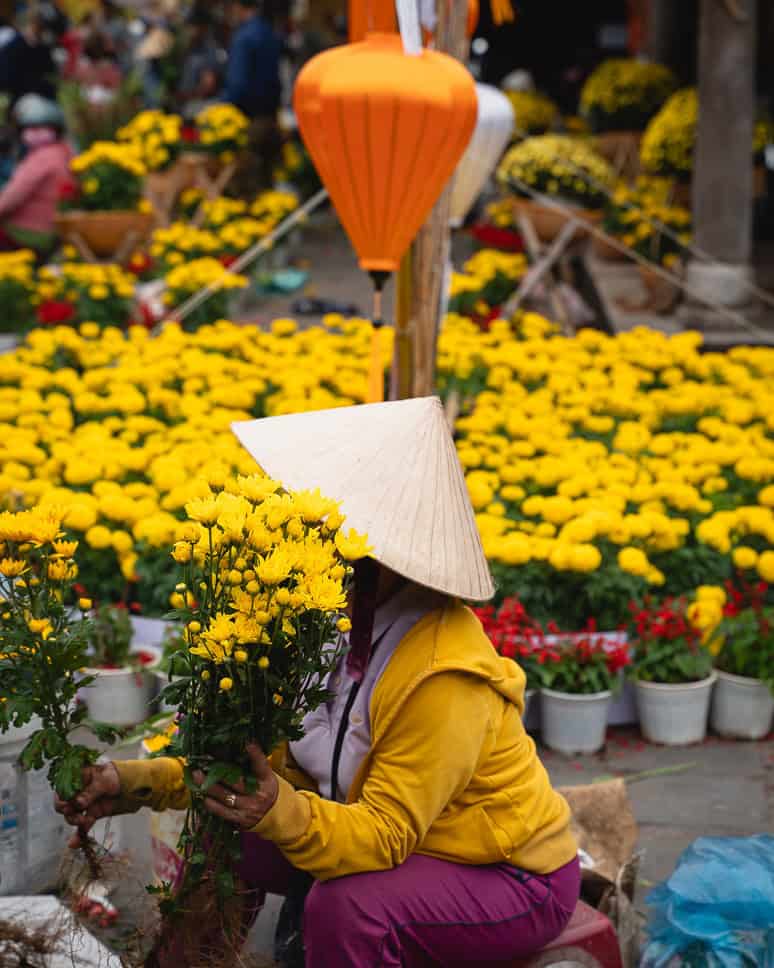
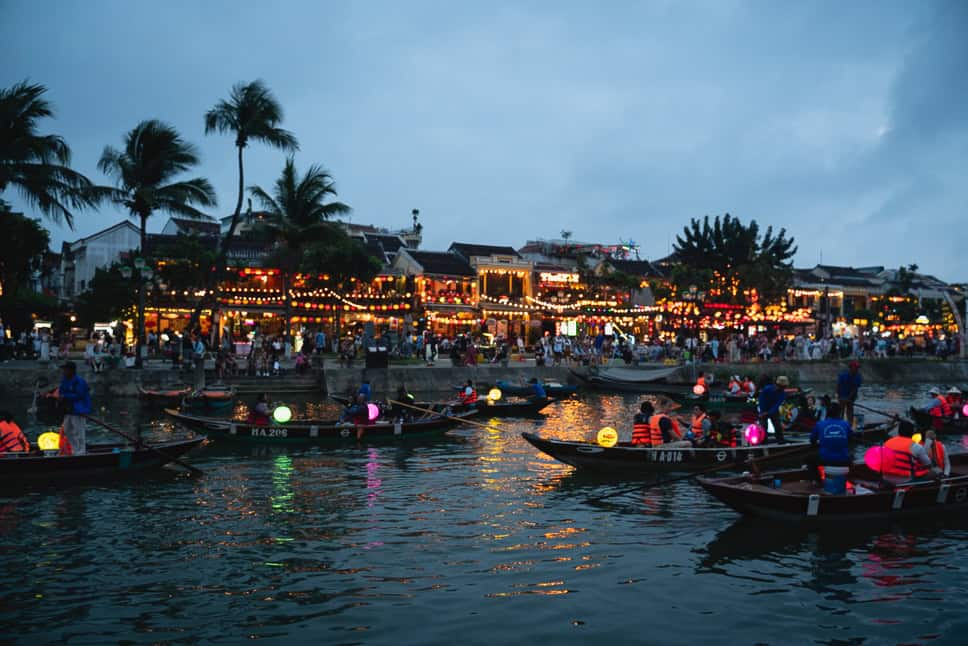
Hoi An is the favorite city of many travelers in Vietnam, also ours. The historic old town around the water is absolutely fantastic. You can stroll around for hours, admire the temples and colonial houses, go shopping, or enjoy Vietnamese coffee in one of the many coffee houses. In the evening you can admire the many colorful lanterns or let one float on the river yourself. Enjoy the cozy atmosphere.
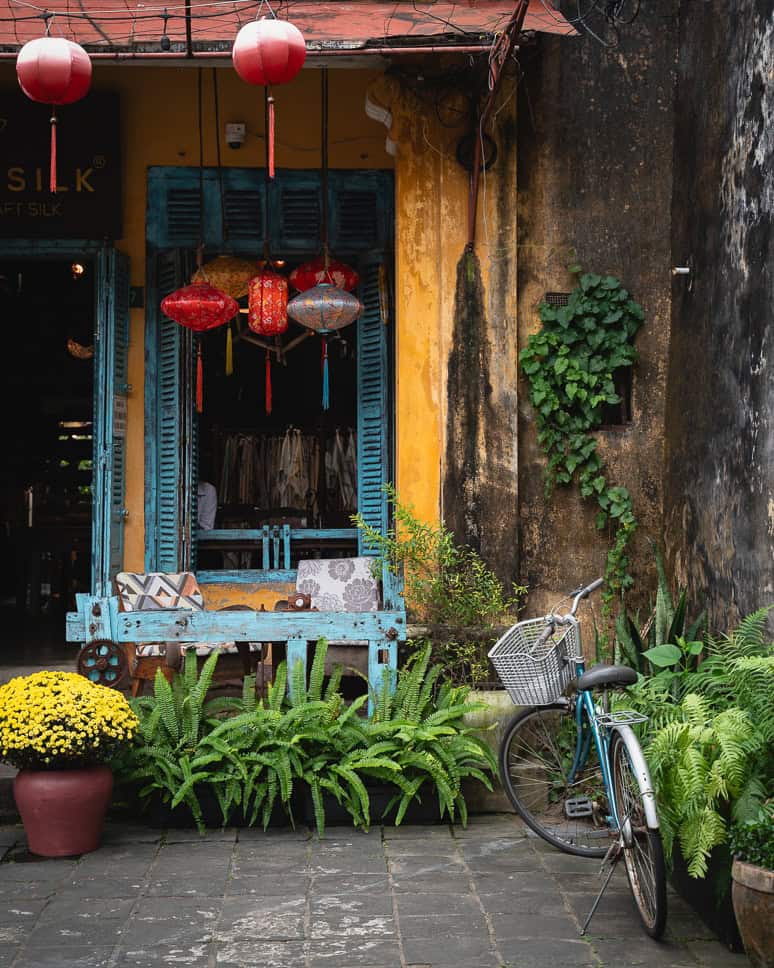
In addition, just outside the city, there are rice fields where you can cycle or walk. Admire the local farmers who are working up to their knees in the rice fields. Or visit the surrounding villages such as Thanh Ha Pottery Village (with museum), Fishing village (with a lighthouse) or the famous My Son temples (1 hour by scooter from Hoi An).
As a bonus, Hoi An also has a beautiful beach with some nice beach bars such as the Fisherman’s Vegan Restaurant. Go there for a nice breakfast or lunch and take a dip in the sea. You can also rent surfing and bodyboards there, although surfing seems a bit more difficult to us.
TIP: Do you have more time? Then you should definitely visit the Marble Mountains in Da Nang. There you will find some temples and a beautiful pagoda on one of the five large hills. Count on a 1-hour drive by scooter from Hoi An.
Would you like to find out more about Hoi An? Discover the best activities and sights in Hoi An here.
Our favorite hotels to stay in Hoi An
You can choose to spend the night in the old city center, close to the atmosphere and all the sights. However, we stayed wonderfully quiet among the rice fields, between the old center and the sea. You can easily go anywhere by scooter, bicycle, or taxi.



Day 8: Hué
From Hoi An to Hué
We recommend that you travel this route by train, and not by bus. After all, this route is one of the most beautiful train routes in the world according to Lonely Planet, and this part in particular is very beautiful as you cross the Hai Van pass and follow the rugged coastline. Make sure you travel during the day, from Da Nang. It is best to book your train ticket in advance.
If you want a more adventurous alternative, you can also do the Hai Van Pass by motorcycle, on the back of a rider (one way). All luggage will then be taken to Hué by car.
What to do in Hué
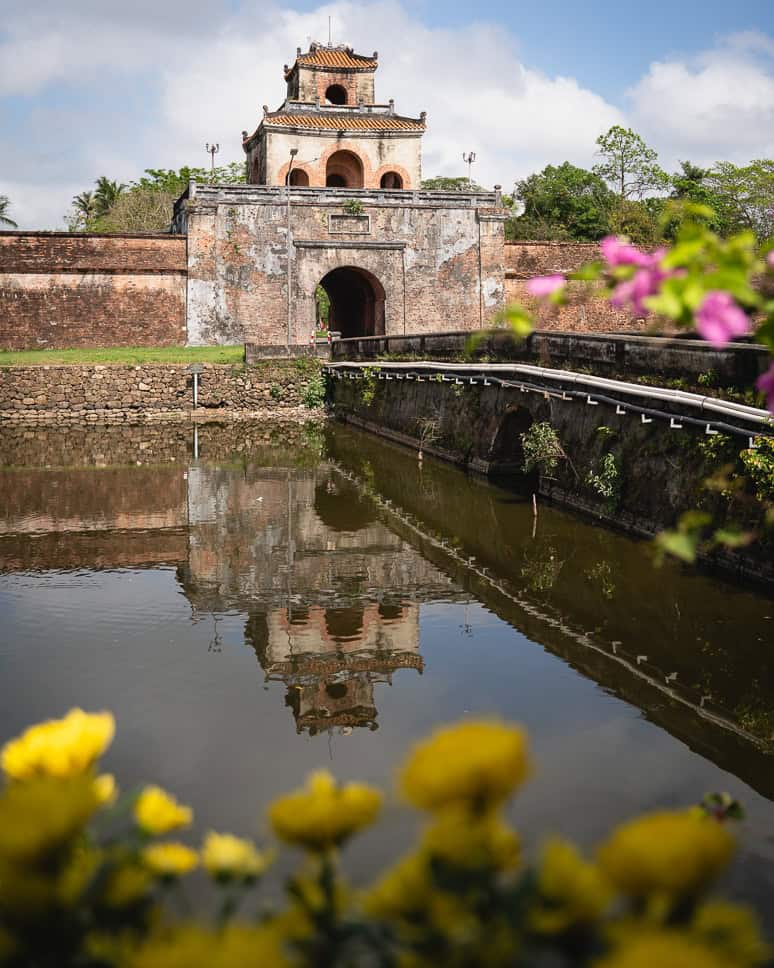
Hué is the former imperial capital or Imperial City and should not be missed on your tour of Vietnam. You come here to visit the Imperial City and the mausoleums that line the Perfume River. Allow 3 hours to visit the imperial city. In addition to the old city, there is also an authentic market, the Dong Ba Market.
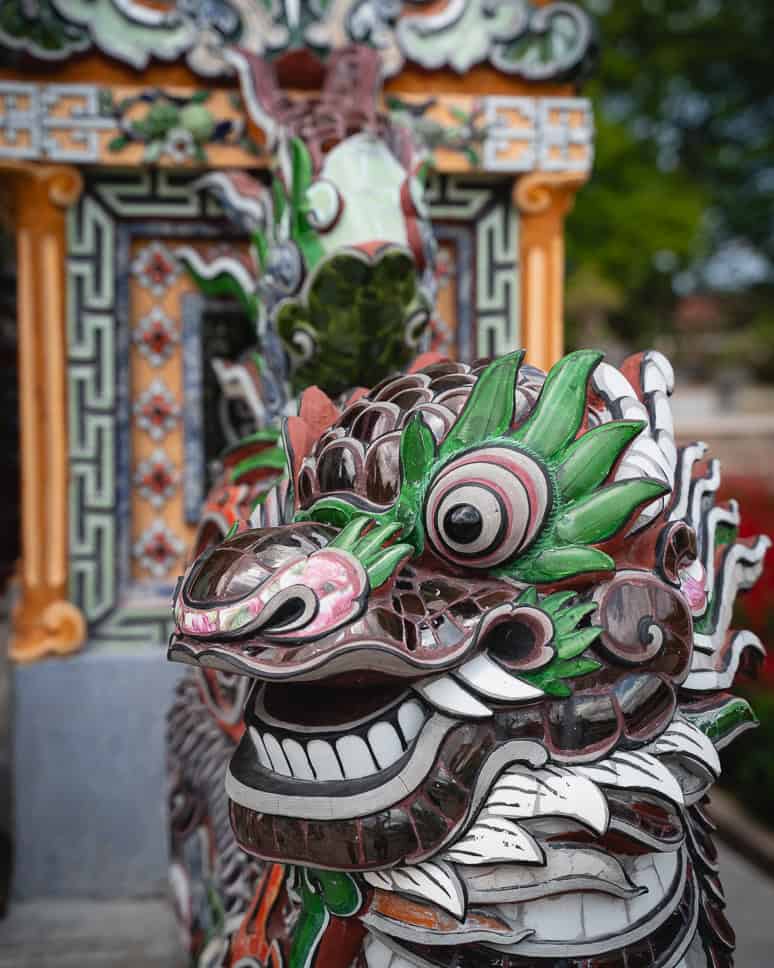
The mausoleums or tombs of the emperors of the Nguyen dynasty are scattered across the hills south of the city. You can choose to visit it with one of the dragon boats, by scooter, or with a private guide.
TIP: In this area around Hué you will also learn more about the DMZ zone, which was the demilitarized zone of Vietnam and the border between the former North Vietnam and South Vietnam. Go there with a tour to find out all about it. The Vin Moc tunnels are about a 2-hour drive from Hué.
Our favorite hotels to stay in Hué
Most hotels are located near the Perfume River. We stayed in the small and very affordable Hue Four Seasons Hotel, run by a very friendly family.



Day 9-11: Ninh Binh – Tam Coc
From Hué to Tam Coc
During your tour through Vietnam you can now travel from Hué to Ninh Binh by train (12 hours). The bus is also an option, but we find the train a bit more comfortable. You can again choose to take the night train (or bus) to save time and accommodation. But of course you can also travel during the day if you want to take in the landscape.
If you have 4 weeks or 1 month in Vietnam, you can also explore Phong Nha in between, with its world-famous caves (more about this at the end of this article).
Another option is to first fly to Hanoi and from there visit Ninh Binh (2h45 drive), possibly with a day tour. Although we recommend that you stay in Ninh Binh for a few days!
What to do in Ninh Binh and Tam Coc
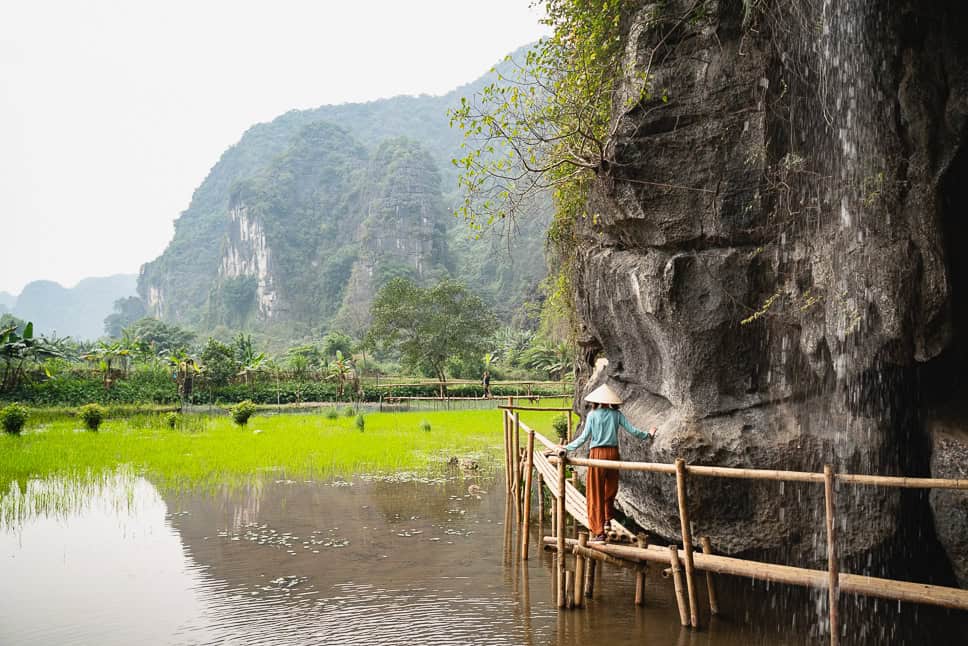
The reason you go to Ninh Binh is the fantastic karsts. They call this the Ha Long Bay on land. You will find an alien landscape with the craziest shapes. It is best to explore this by bike, scooter or rowing boat.
The most famous rowing boat trips are the boat trip on the Tam Coc river, which departs from the center of Tam Coc, or a boat trip at Trang An. On the first boat trip, you sail between the rice fields. On the second boat trip, you sail between the karsts and you will see three temples (we chose route 3). The last one was definitely our favorite, also because we did it at sunset and there were almost no tourists.
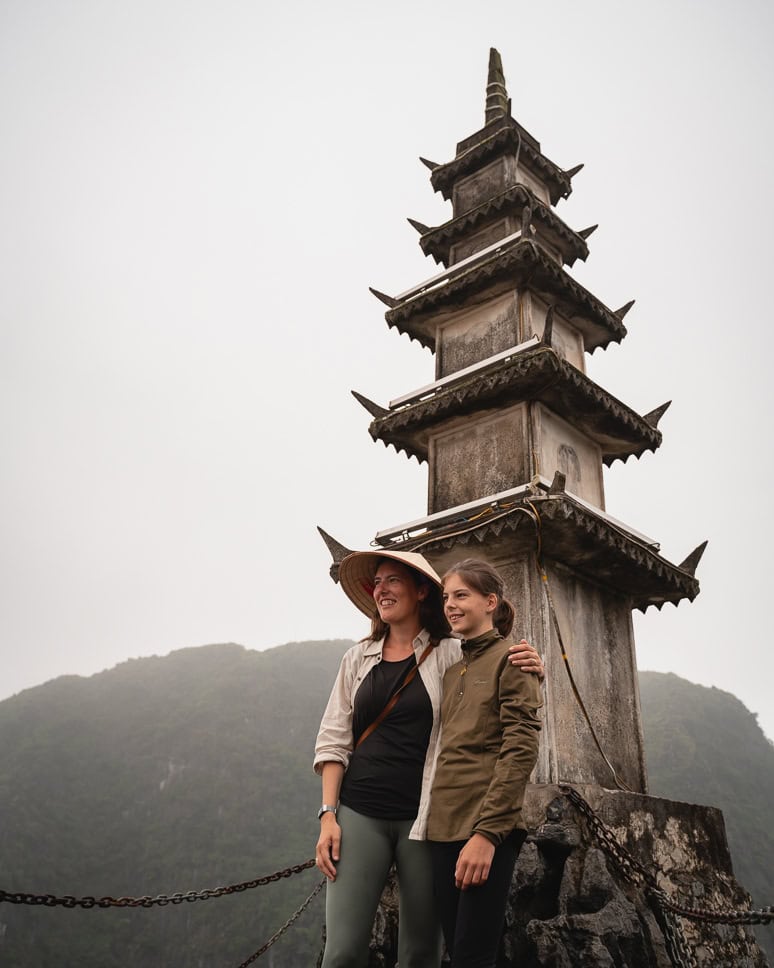
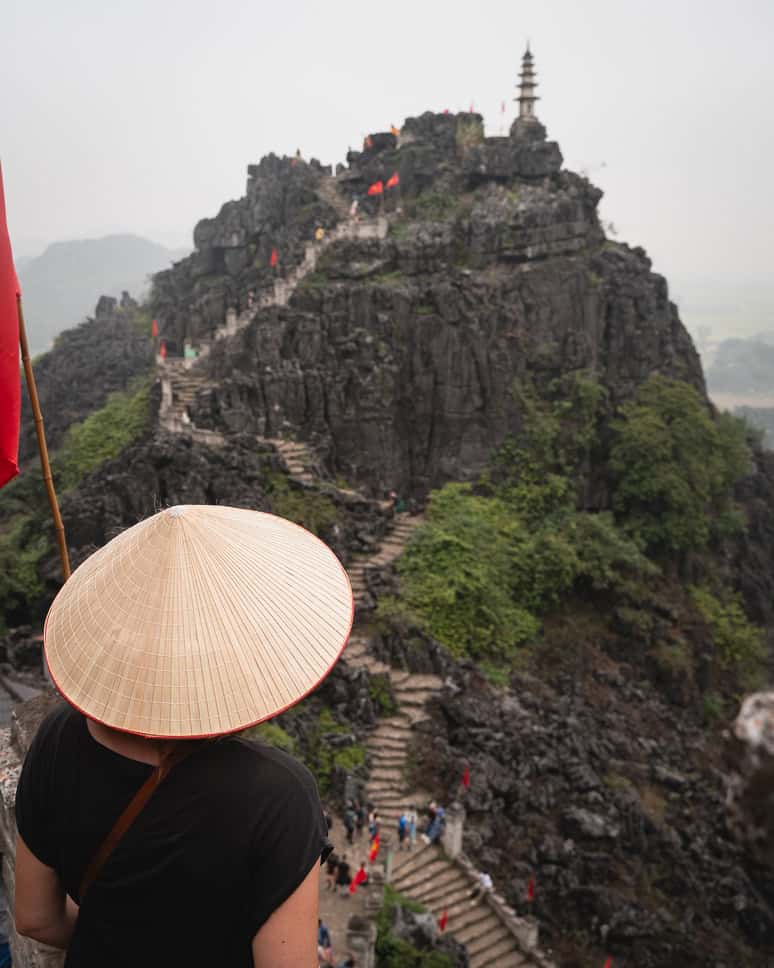
In addition to these boat trips, you should also visit the Bich Dong Pagoda and climb the Mua Cave with the 200 stairs. The latter offers a beautiful view of the surroundings.
TIP: Keep in mind that it can be quite busy in Ninh Binh (especially on weekends and public holidays) because it is so close to Hanoi. Visit everything in the early morning or late evening).
Our favorite hotels to stay in Ninh Binh
Most people stay in Tam Coc. This is where most of the restaurants, sights, and famous boat tours depart. It can be very busy in the town itself, but a little further out you will find yourself in the peaceful rice fields again.
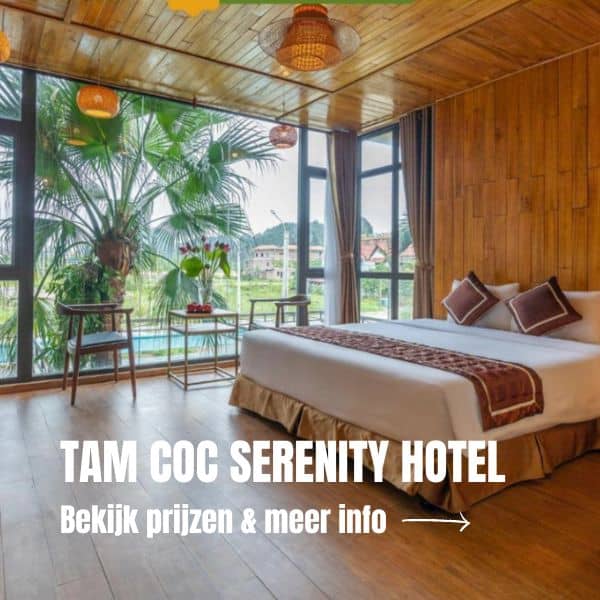
We stayed in the beautiful Tam Coc Serenity Hotel, with 2-person and family bungalows around a beautiful swimming pool.
An alternative is to spend the night in the slightly quieter Khê Hạ. We want to stay there next time.


Day 12-14: Hanoi
From Ninh Binh to Hanoi
After rural Ninh Binh, it’s time to explore vibrant Hanoi! The capital of Vietnam should certainly not be missed on your three-week tour of Vietnam. It is only a 2-hour drive from Ninh Binh. You can do this part by train, bus or private transport.
What to do in Hanoi
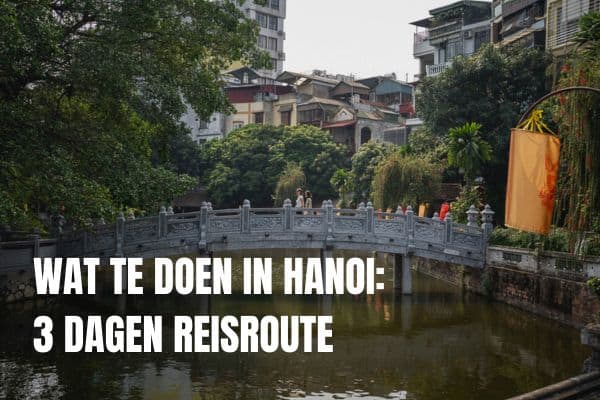
Historic Hanoi is quite an experience and will stimulate all your senses. This authentic Asian city is best known for its old center, which is located around Hoan Kiem Lake, where most of the sights are located.
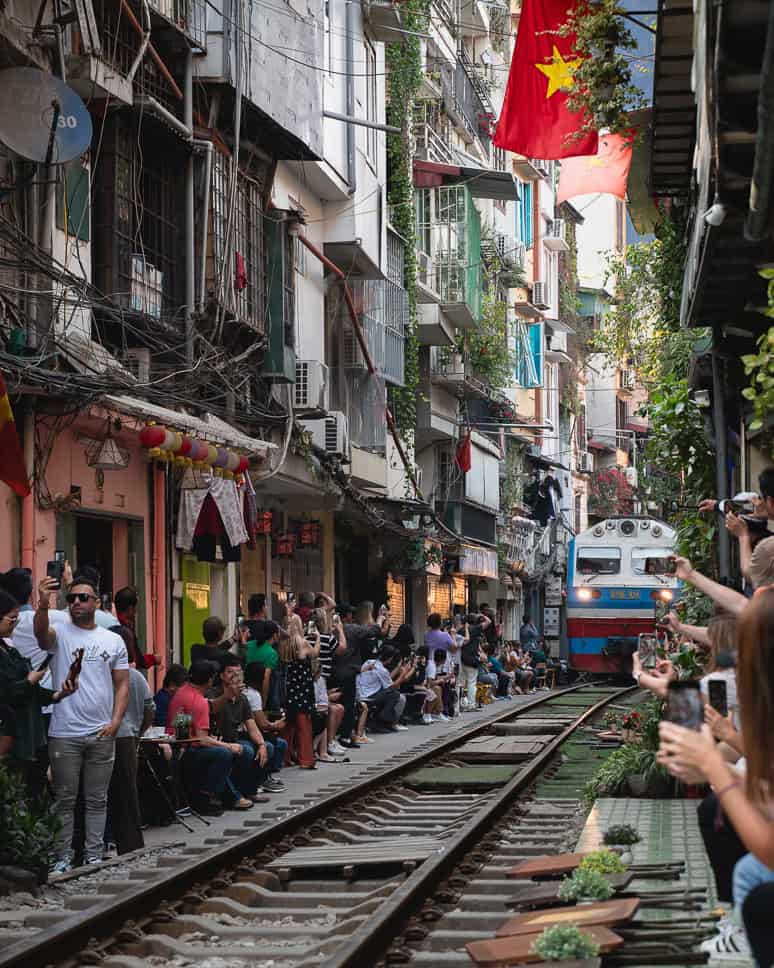

Here is a list of some things you can do in Hanoi:
- The Hanoi Old Quarter including Ta Hien Street, St. Joseph’s Cathedral, and the Ngoc Son Temple on Hoan Kiem Lake.
- Try the Vietnamese Egg Coffee at the Hidden Gem Cafe or The Note Coffee House.
- Eat the best Banh Mi in Banh Mi 25.
- Pass by Hanoi Train Street and the famous Long Bien Bridge.
- Visit the Temple of Literature.
- Visit the National Museum and Ho Chi Minh Mausoleum
Would you like to know more about Hanoi? We have mapped out a complete 3-day itinerary for Hanoi with the most beautiful sights and experiences.
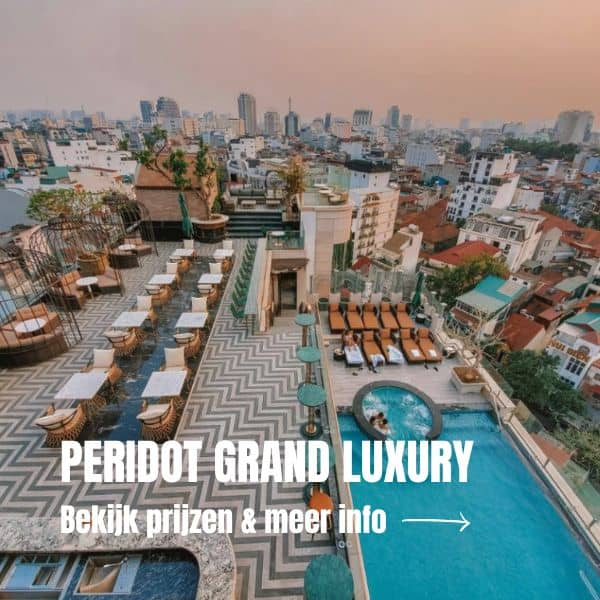
Our favorite hotels to stay in Hanoi


Day 15-18: Sapa
From Hanoi to Sapa
You can choose to first visit Sapa or Ha Long Bay from Hanoi. In this 3-week itinerary through Vietnam, we first choose Sapa, but you can feel free to exchange this.
We took the night train from Hanoi to Sapa. A nice experience, but it is best to book in advance. You leave Hanoi at 10pm (through the famous Train Street) and arrive in Lao Cai around 6am. From there you have to take a bus or taxi to Sapa or Ta Van (1h30 drive). An alternative is to take the bus during the day, because it is a bit faster (6 hours).
What to do in Sapa
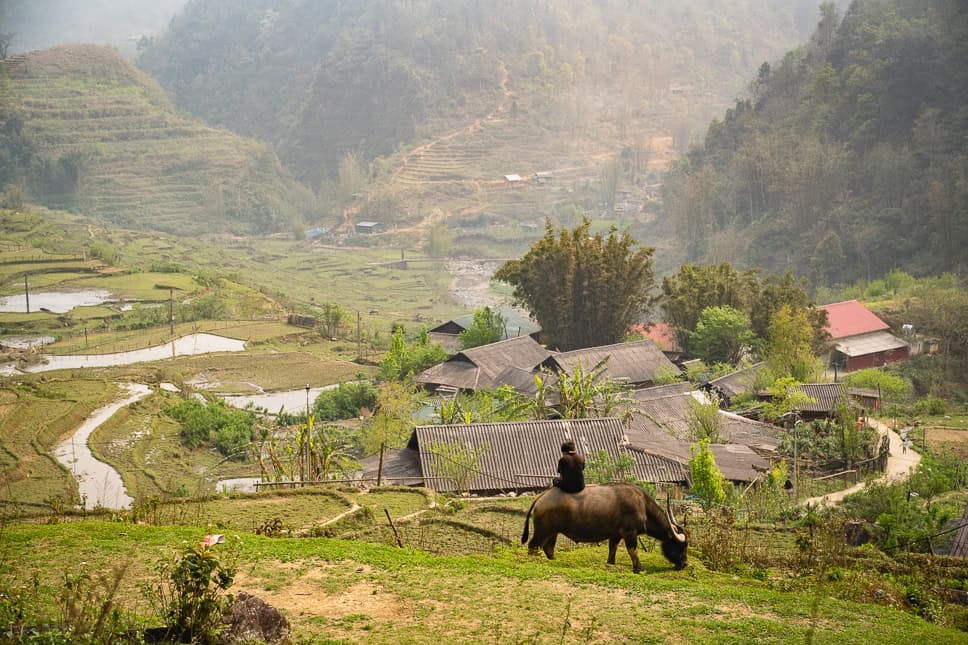
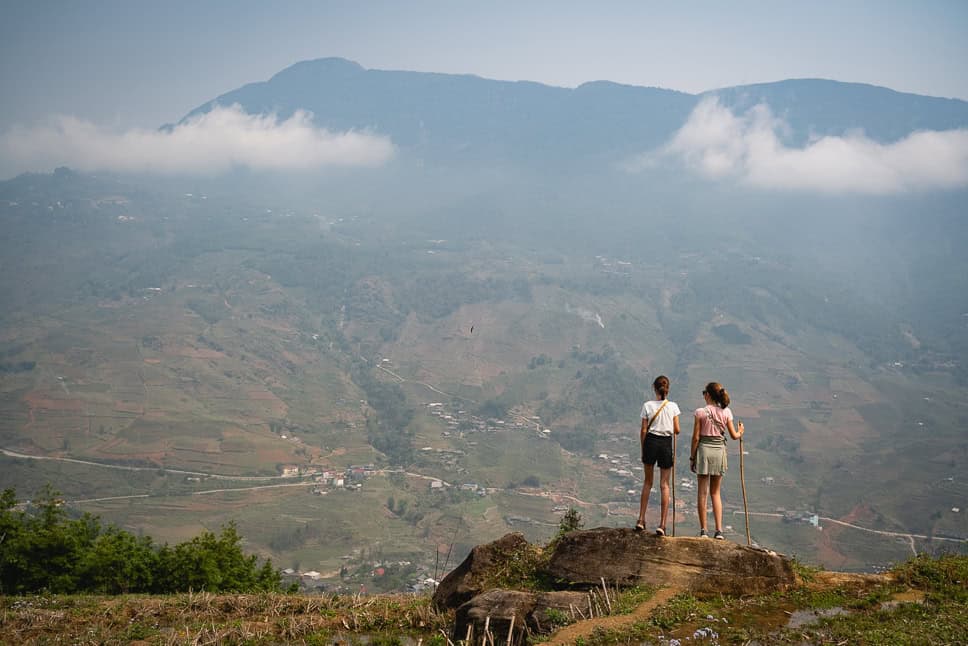
We did not stay in Sapa itself (busy and very touristy) but in the smaller Ta Van, about a 20-minute drive from Sapa. It is still very local and wonderfully quiet here. From here you can immediately take some beautiful guided tours through the mountain villages. You can hire a local guide through your guesthouse who will take you among the rice fields all day.
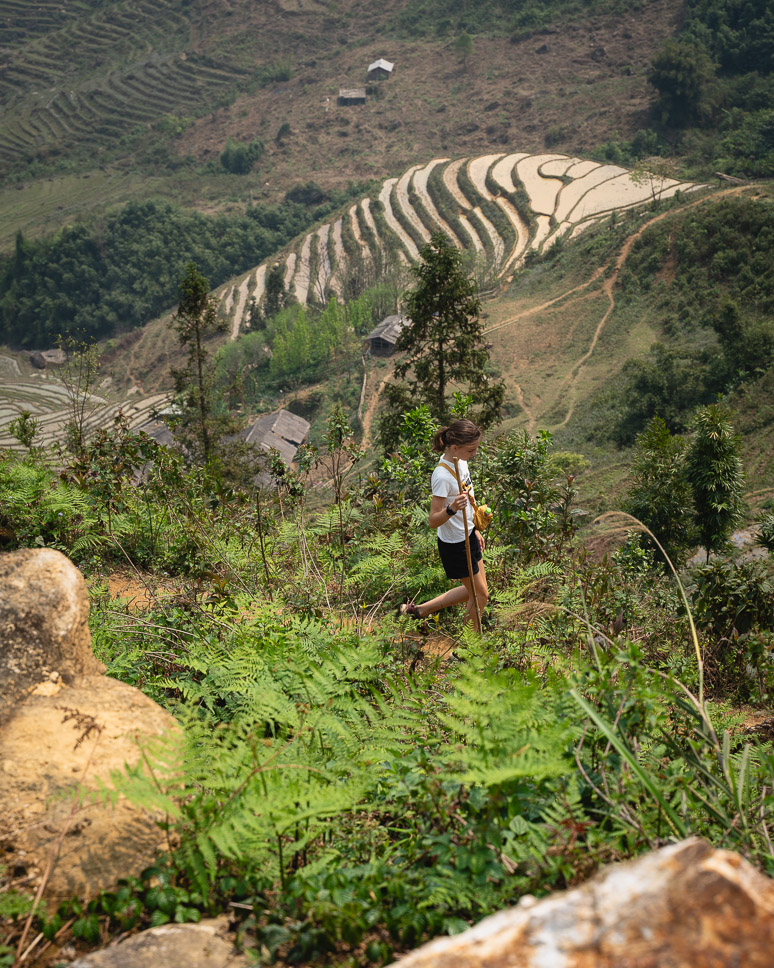
If you visit this region you must take the condition of the rice fields into account. Of course, they are not always green. The most beautiful time to visit the rice fields is between September and October, but we were there in March and it was still very beautiful. We were lucky because it was quite warm (25°C/ 77°F). It can also be extremely cold during this period. Sapa is not recommended in winter, as it is cold and foggy. You are therefore at an altitude of 1500m.
In addition to the rice fields, you also have the beautiful National Park and the highest mountain in this region, the Fansipan (3147m). You can climb the Fansipan (7.5km one way) or you can take the cable car.
In addition to the Fansipan, you also have the Tram Ton Pass. You can drive this yourself with the scooter. You have beautiful views of the 1900m high Hoang Lien Son mountain range. Along the way you can stop at the Silver Waterfall (located next to the road), the Love Waterfall (a beautiful walk 30 minutes), and the Chu Va viewpoint.
In the valley of Sa Pa, you also find Cat Cat village. This was originally a Hmong village that has now been completely transformed into a tourist village. The entrance fee, meanwhile, is VD 150,000 per person. In the village itself, you also have a beautiful waterfall.
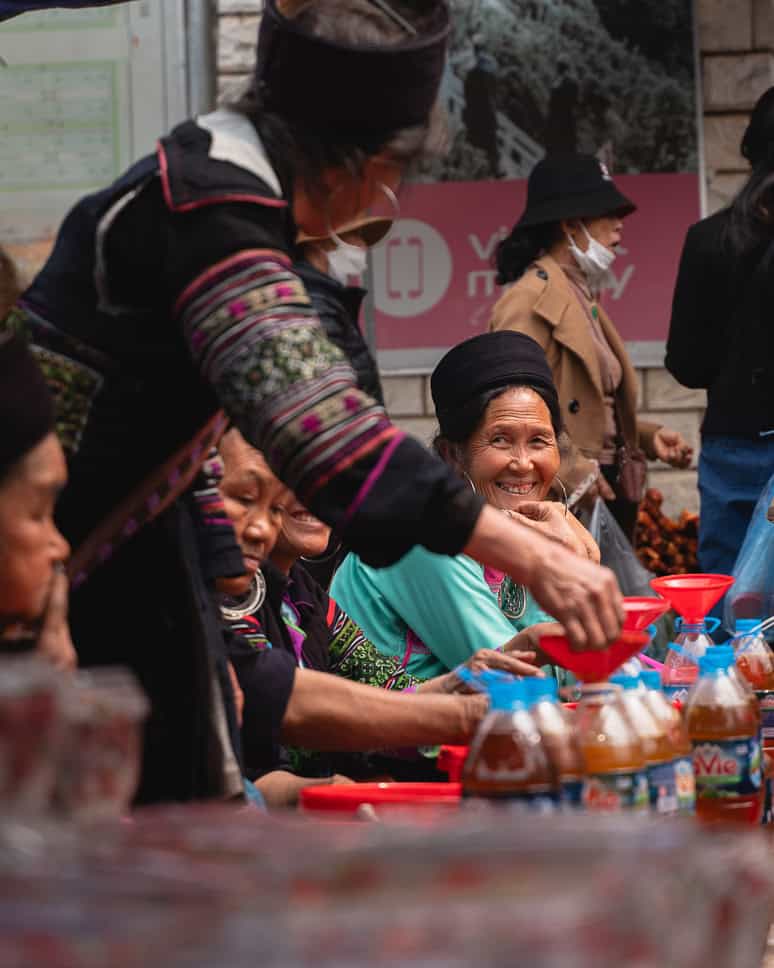
In the area around Sa Pa you also have a few large local markets, which are a 3-hour drive away. If you have more time, you can definitely go to the Coc Ly or Bah Ha market.
Our favorite hotels to stay in Sapa
As we mentioned earlier, we do not recommend staying overnight in Sapa. It is extremely busy and touristy and the authentic north of Vietnam seems far away.
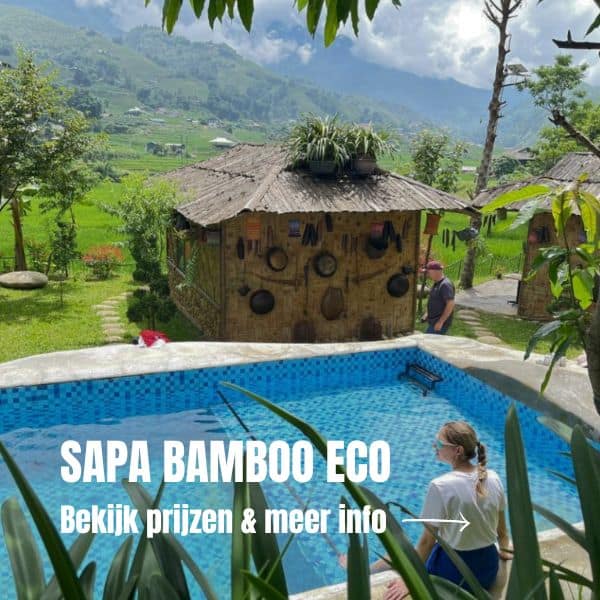
Go to the small village of Ta Van! We stayed at the cheap but nice Lucky Daisy Buffalo House, with beautiful bungalows, good food in the restaurant, and fantastic guides.


Day 19-21: Halong Bay
From Sapa to Halong Bay
To go from Sapa to Halong Bay, you first have to go via Hanoi. We recommend that you take the night train, so that you do not lose an extra day and can travel immediately to Halong Bay upon arrival without having to stay an extra night in Hanoi.
From Hanoi to Halong Bay it is a 3-hour bus ride. You can also drive a little further (3h30), by bus to Cat Ba, the largest island and the base to organize your Halong Bay visit yourself. There you can arrange cruises or get an impression of this beautiful bay in a cheaper way.
TIP: Have you booked a cruise to discover Halong Bay? Then there is a good chance that they will pick you up in Hanoi, and you will not have to pay extra to make the journey to Halong Bay yourself.
What to do in Halong Bay
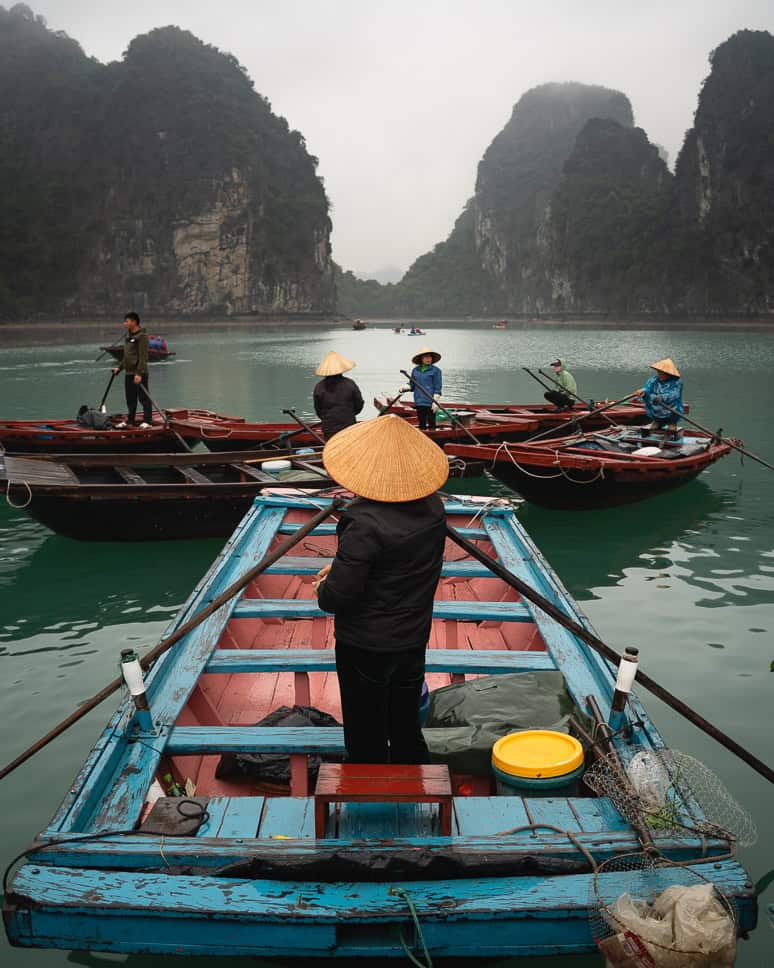
Of course, a visit to Halong Bay cannot be missed on your tour through Vietnam. Halong Bay is a UNESCO World Heritage Site and attracts thousands of visitors from all over the world every year. The spectacular limestone rock formations rise from the emerald-green waters.
Halong Bay is best discovered from a boat. There are day cruises, overnight cruises, kayak trips, … In addition to the famous Halong Bay, you also have Cat Ba Bay and Bai Tu Long Bay (both less touristy). When you book a cruise of a few days, they often also visit the lesser-known bays.
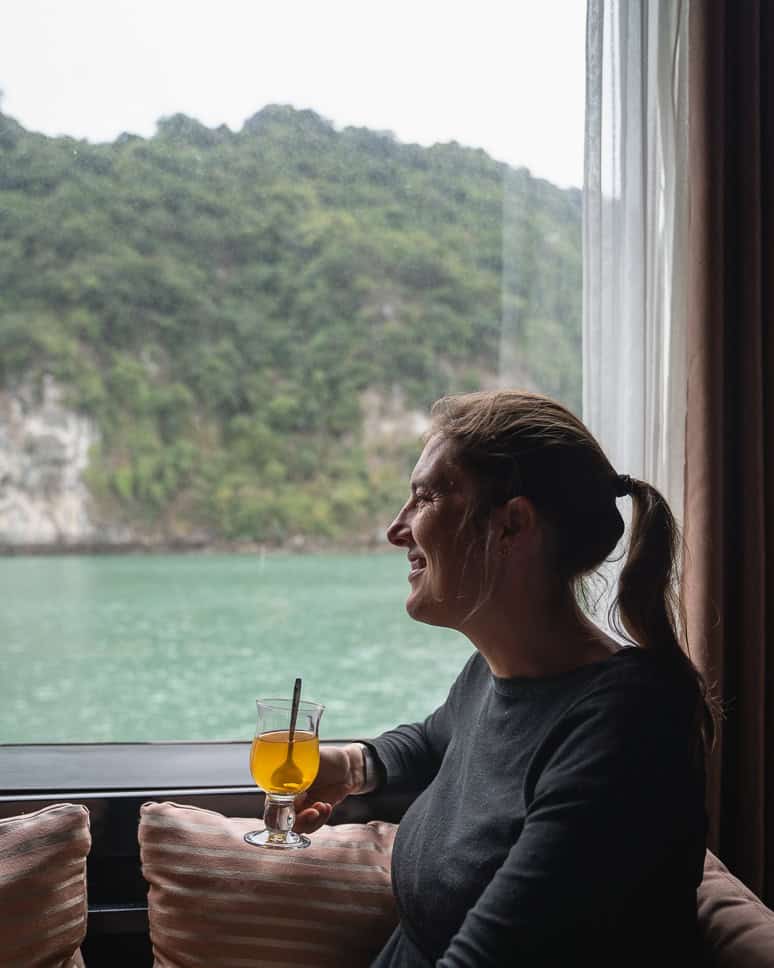
We chose to do a 3 day, 2 night cruise with Indochina Junk (you can read more about our experiences here) and had a wonderful time on this boat. We highly recommend this cruise, but you can also look for a hotel or other cruise in Halong Bay.

After Halong Bay you can return to Hanoi and fly home from there. If you have more time or want to see what else there is to discover in Vietnam, read on
4- weeks or 1 month itinerary Vietnam
If you can stay in Vietnam for longer than 3 weeks, or would you rather replace one of the above places with another, then we give you some nice destinations in Vietnam that are more than worth it.
For a 4-week tour through Vietnam, you can add these places to the above 3-week itinerary (we have already mentioned where it is best to plan them).
Phu Quoc
What to do in Phu Quoc
If you like tropical islands, then you should definitely visit Phu Quoc. It is one of the most beautiful islands in Vietnam and is located in the far south of the country. You can get there by land from Ho Chi Minh City (via the Mekong Delta) or from Cambodia.
On Phu Quoc you can of course enjoy the sun, sea and beach (with the necessary palm trees), but the island also has more to offer than that. We rented a scooter and also explored the interior and the less touristy places.
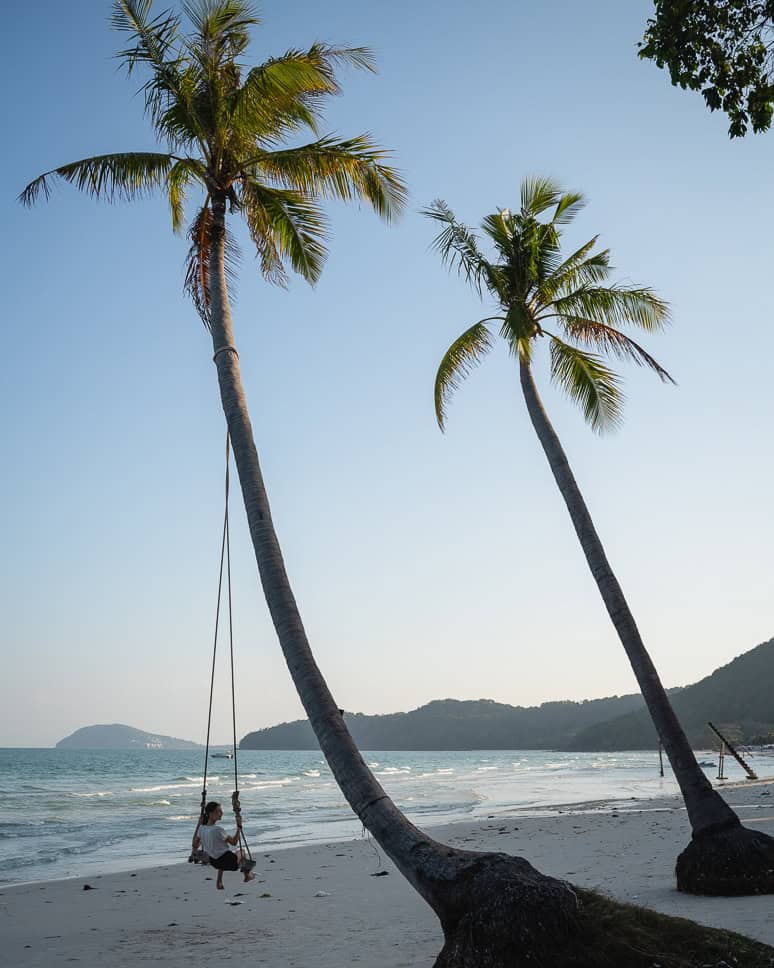
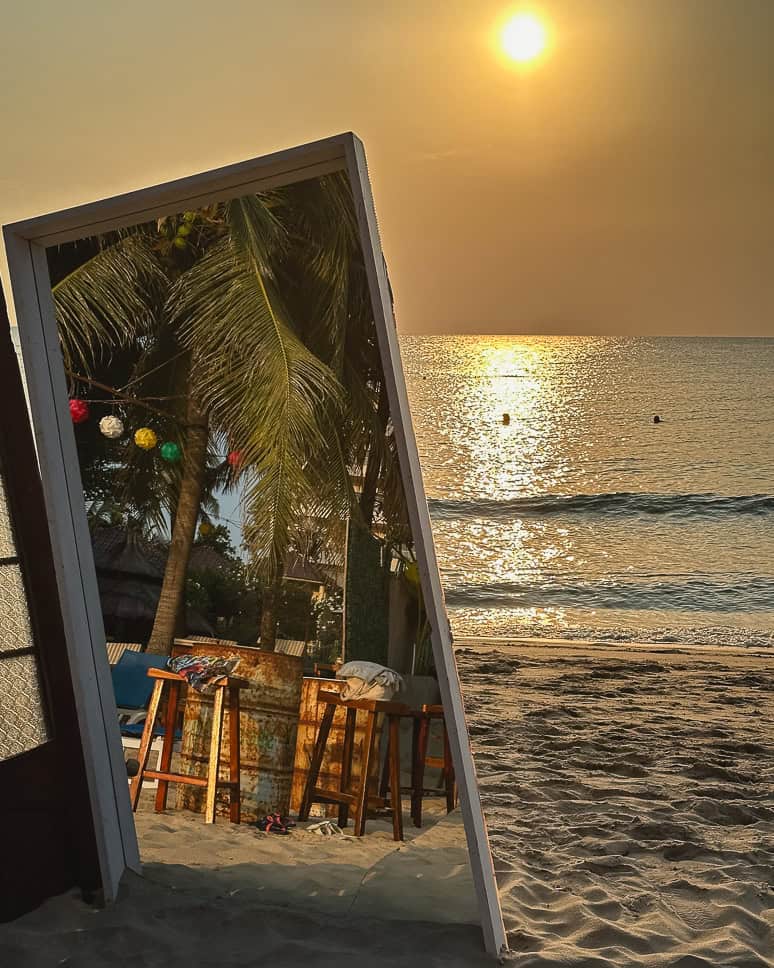
You should definitely visit a pepper plantation (Phu Quoc is very famous for its black pepper), but also the authentic fishing villages and quiet beaches.
In the evening you can enjoy the sunset on the beach in one of the many beach bars with a cocktail in hand.
Our favorite hotels to stay in Phu Quoc
We stayed in the very affordable but beautiful Valley Sen Bungalow. It is a little further from the sea but they have a free shuttle. If you already want to get away from the lovely swimming pool.


Phong Nha
What to do in Phong Nha
Phong Nha is located between Hoi An and Hanoi. It is slightly more difficult to reach and is therefore often skipped, but for us it was one of our favorite experiences in Vietnam, also because it is less touristy. Moreover, you can go there by private transport, bus or train (and taxi).
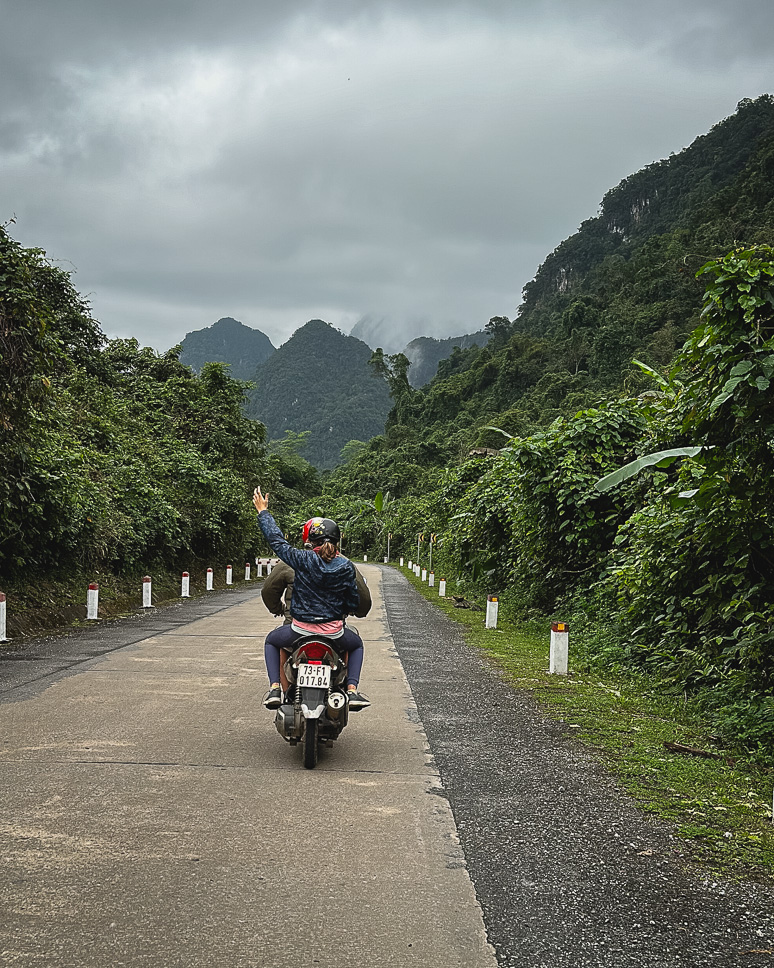
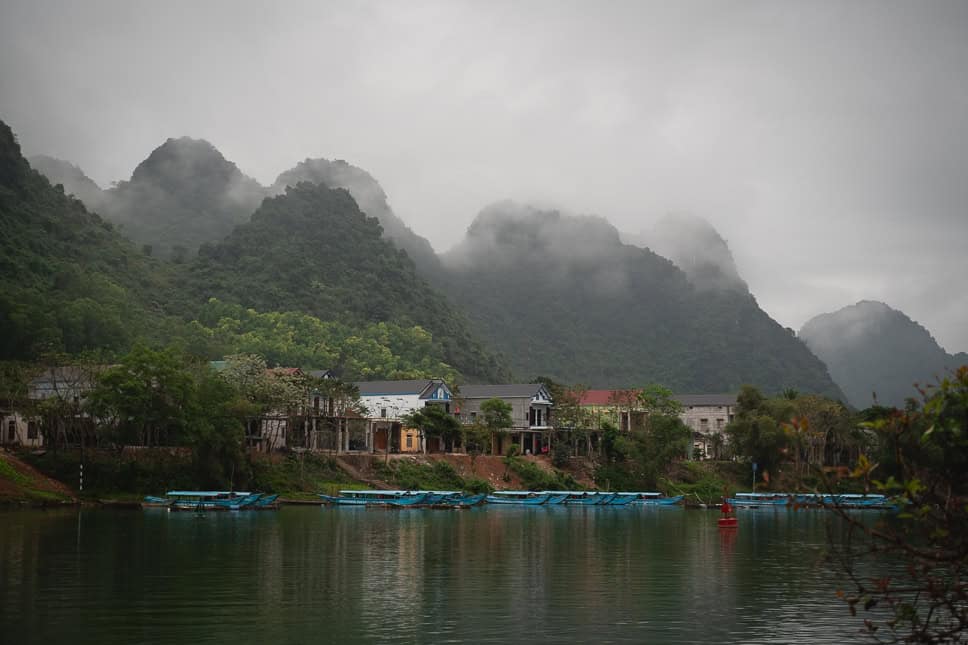
Phong Nha is known worldwide for its beautiful caves including the gigantic Paradise Cave. These caves are located in the Phong Nha National Park and were only discovered in 2000. In addition to the caves, you can also do a lot of adventure sports in Phong Nha or drive through the beautiful karst mountains by scooter.
Our favorite hotels to stay in Phong Nha
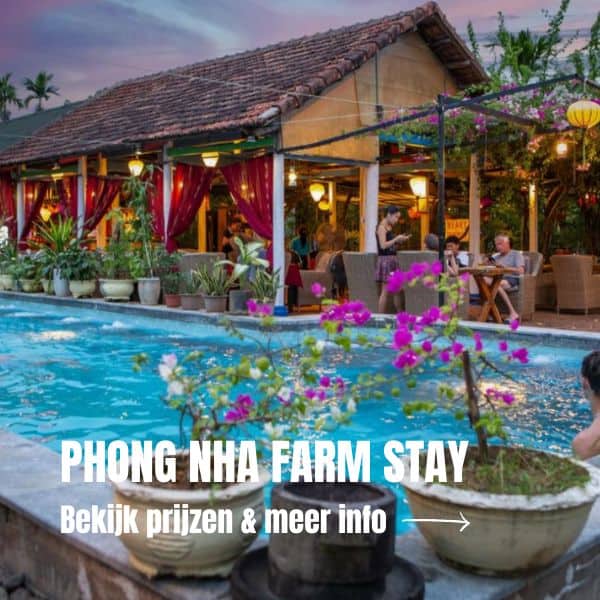
Because it is less touristy here, you can easily find nice accommodations at low prices. We stayed at Carambola Bungalow on the river, a budget-friendly but very nice place, with friendly owners and good food. The views are beautiful and you can quietly watch daily life on the river from your terrace.


Mui Né
What to do in Mui Né
Mui Né is a small coastal city about a 4-hour drive from Ho Chi Minh. You can go there by train, but book your tickets in advance because this is one of the popular train routes in Vietnam. You arrive in Phan Thiet, and from there you can take a taxi to your hotel in Mui Né (about 25 minutes).
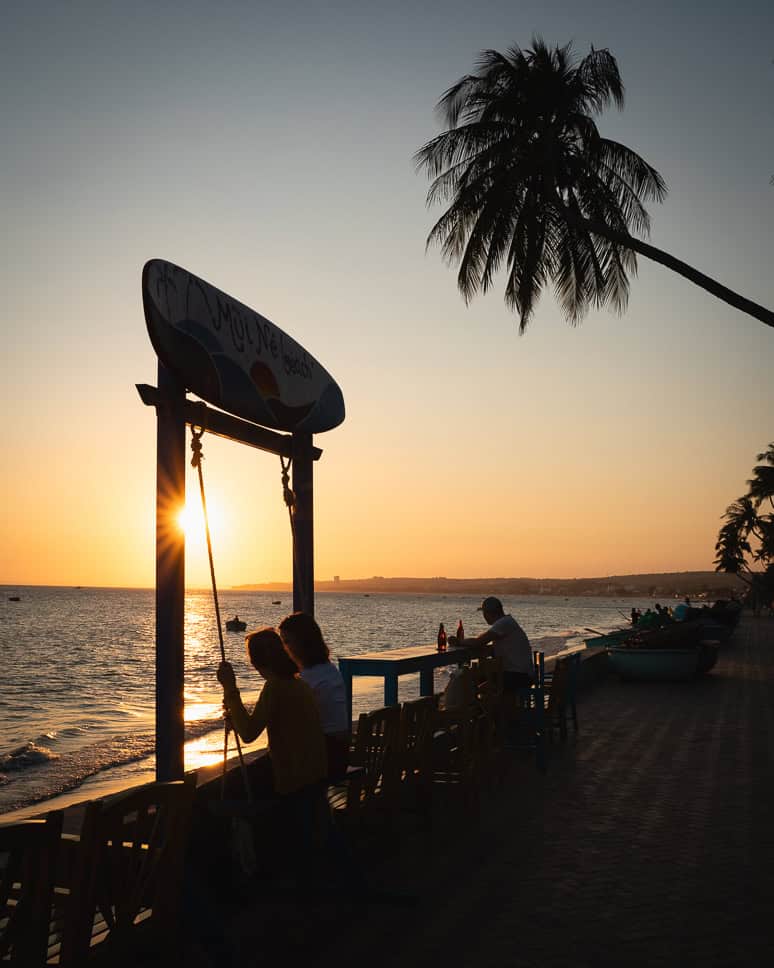
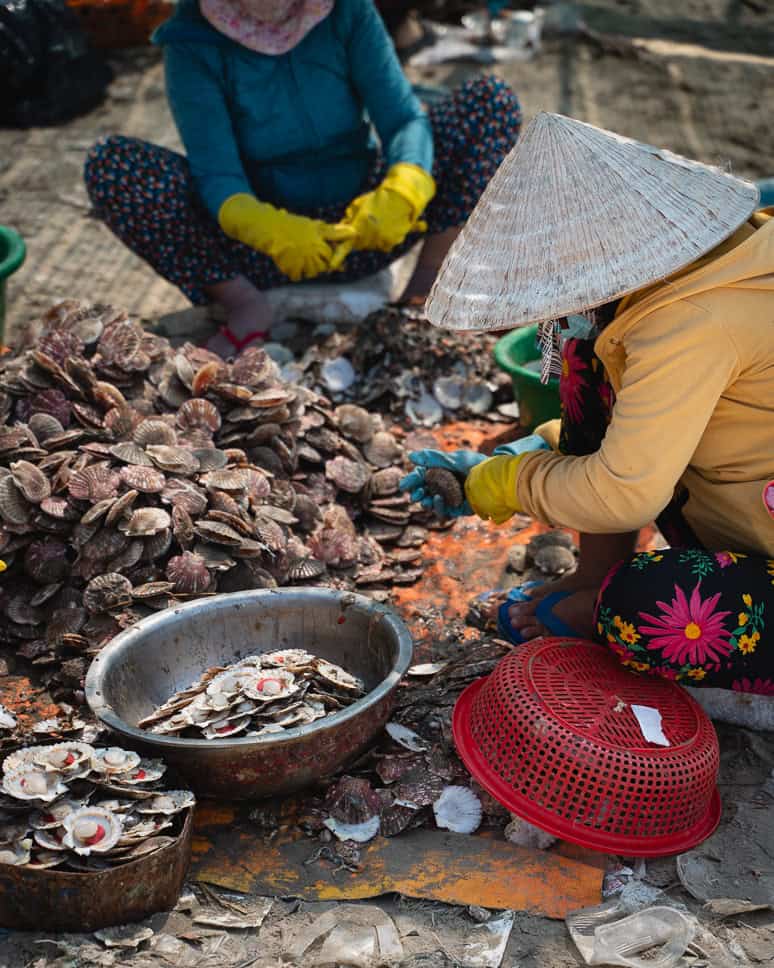
Mui Né still gives the authentic vibe of a small fishing village, where you see the fishermen unloading their loot on the beach, where the women pick and sell it. Although there are more and more resorts, but they are located outside the center. You can also walk along the sea or enjoy the sunset in one of the many beach bars.
If you like kitesurfing this is the place to be. The conditions are ideal. In addition to kite surfing, you can also visit the red and white sand dunes. Another fun activity (especially for children) is walking upstream on the Fairy Stream.
Our favorite hotels to stay in Mui Ne
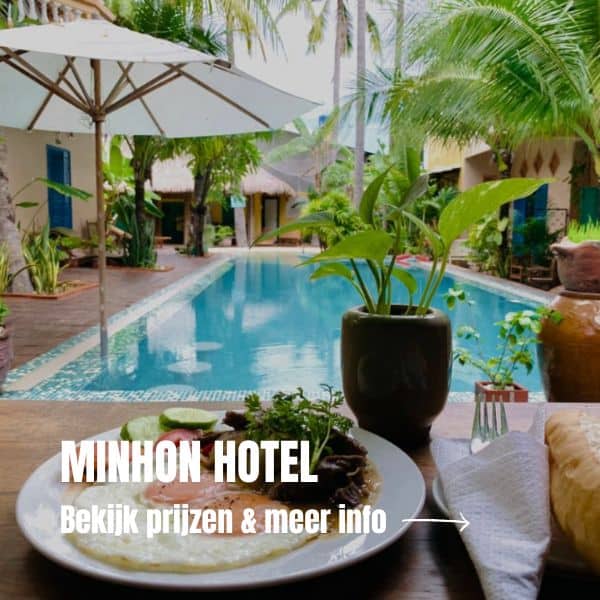
We stayed in the small but super cozy MiNhon hotel. From your room you have a view of the lovely swimming pool. There is also a restaurant where you can eat delicious (and not expensive). Bicycles are free but you can also rent scooters.

Ha Giang Loop
If you prefer not to go to Sapa, or if you have enough time, you can do this loop. The Ha Giang Loop takes you over impressive mountain passes, and past small villages, and lets you discover authentic Northern Vietnam.
Only if you are an experienced motorcyclist can you ride this loop yourself. Otherwise, you can book one of the tours (usually 3 days), where you sit on the back of a motorcyclist. Another option is to do this ride with a car, but then the experience is a lot less impressive.
Unfortunately, we didn’t have enough time and the children were perhaps a bit too small. But we certainly hope to come back to discover this beautiful part of Vietnam.
Save this article for later on Pinterest


Our other articles about Vietnam